Surakarta, 18 October 2026 – Amid the rapid evolution of digital communications, artificial intelligence (AI), and increasingly dynamic public behavior, regenerating the public relations (PR) profession has become essential to maintaining public trust and sustaining organizational reputation. Beyond the ability to communicate messages effectively, the next generation of PR professionals must uphold ethical standards, think critically, and ensure that communication delivers tangible impact. These priorities were among the key themes highlighted at Pertemuan Humas Muda (PEMUDA) 2026, held on the second day of the 2026 Konvensi Humas Indonesia (KHI), organized by the Indonesian Public Relations Association (PERHUMAS) at The Sunan Hotel Solo in Surakarta on Sunday, 18 October 2026. Under the theme “Public Relations as a National Force: Weaving Trust, Mobilizing Indonesia,” the forum gave young PR professionals a platform to broaden their perspectives, strengthen their competencies, and prepare for the evolving challenges of the communications landscape.
Elvera N. Makki, Founder & CEO of VMCS Communications and Social Impact, stated, “Amid rapid digital transformation and the advancement of artificial intelligence, the challenges facing the public relations profession are becoming increasingly complex. Young PR professionals must go beyond mastering technology and communication skills; they must also be grounded in strong ethical principles, integrity, and critical thinking to navigate disinformation and the evolving dynamics of public trust. With these foundations, the next generation of PR professionals will be equipped to become credible and responsible communicators who play a strategic role in building and sustaining public trust over the long term.”
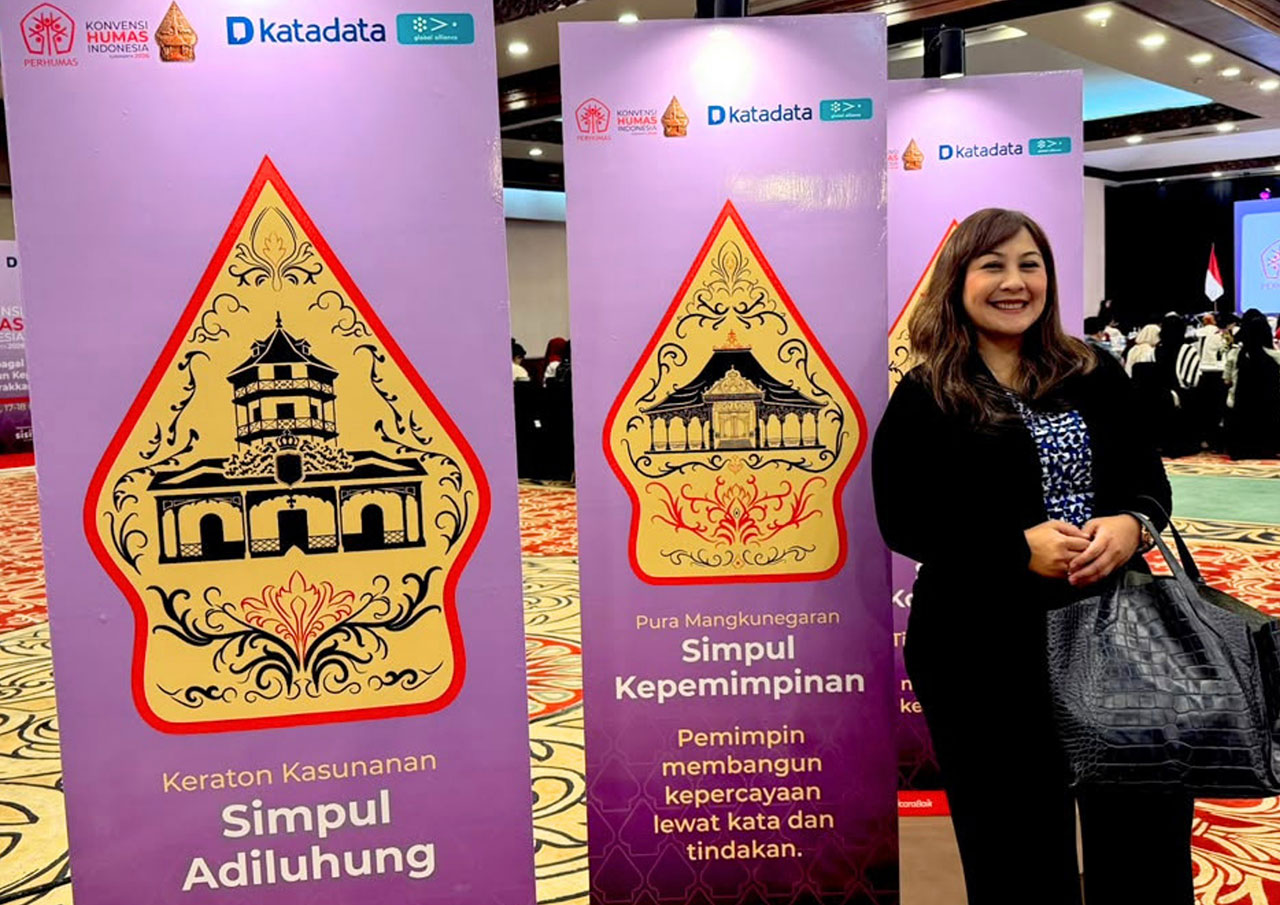
Elvera N. Makki represented VMCS Advisory Indonesia as a Media Partner and advocated for a new generation of communication professionals grounded in ethics, integrity, and a commitment to building public trust.
PERHUMAS Chair, Boy Kelana Soebroto, emphasized that regenerating the public relations profession requires more thancreating opportunities for younger professionals. It must also involve passing down values, ethical principles, and professional standards. “Senior generations must do more than simply pass the stage to their successors. What must continue to be passed down are standards, ethics, the courage to think critically, and professional responsibility,” he stated.
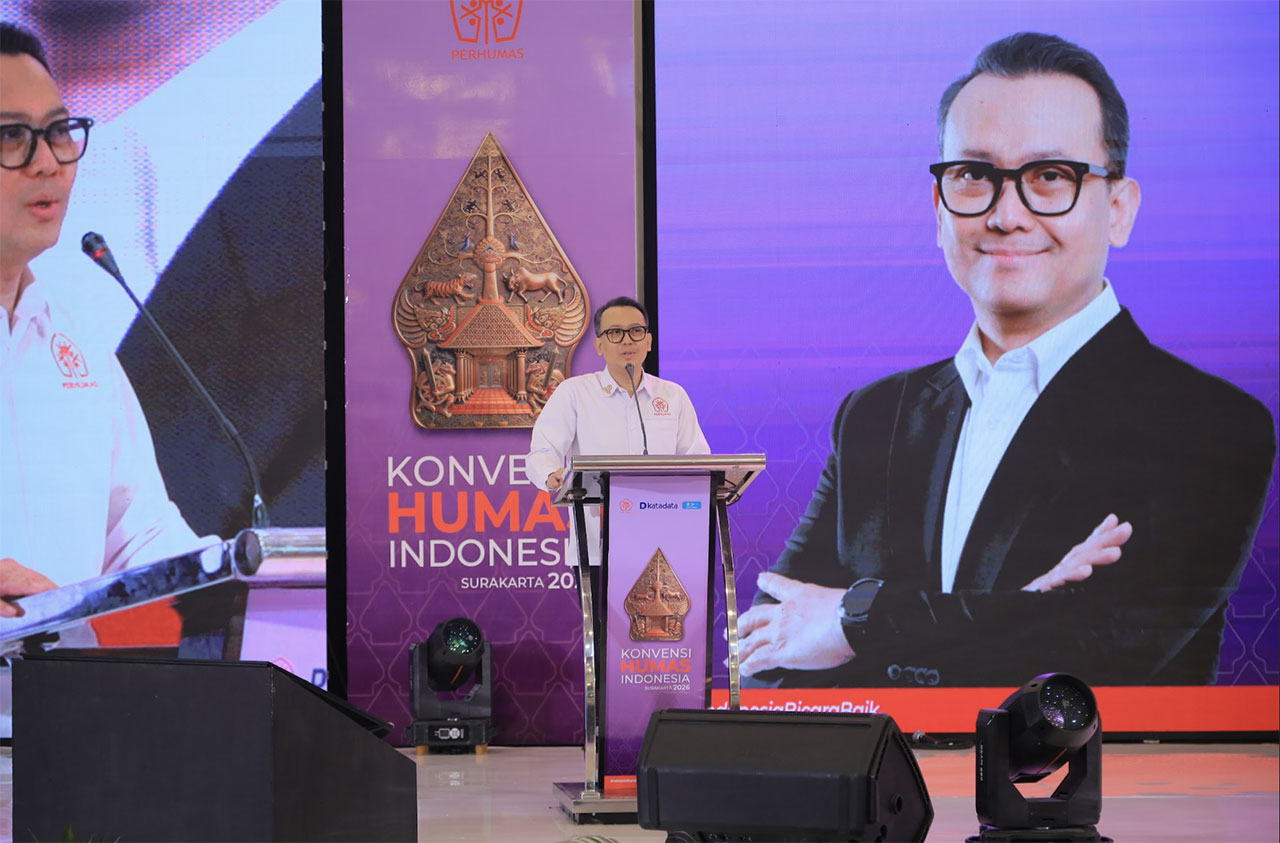
PERHUMAS Chair, Boy Kelana Soebroto delivers the opening remarks at Pertemuan Humas Muda (PEMUDA) 2026.
For VMCS, which also served as the event’s media partner, these values underscore the importance of building strategic communication practices grounded in integrity, accountability, and a commitment to public trust. In an increasingly fast-paced information landscape, communication success should not be measured solely by reach, engagement, or virality, but also by its ability to foster understanding, build meaningful relationships, and drive positive change. Discussions at PEMUDA 2026 also highlighted the various challenges facing PR professionals, from turning public attention into meaningful action and restoring trust following a communications crisis to ensuring consistency between an organization’s messaging and its actions. Furthermore, the ability to understand AI, analyze data, and communicate information accurately and in the right context is becoming increasingly essential, enabling PR professionals to adapt to technological advancements while upholding their ethical responsibilities to the public.
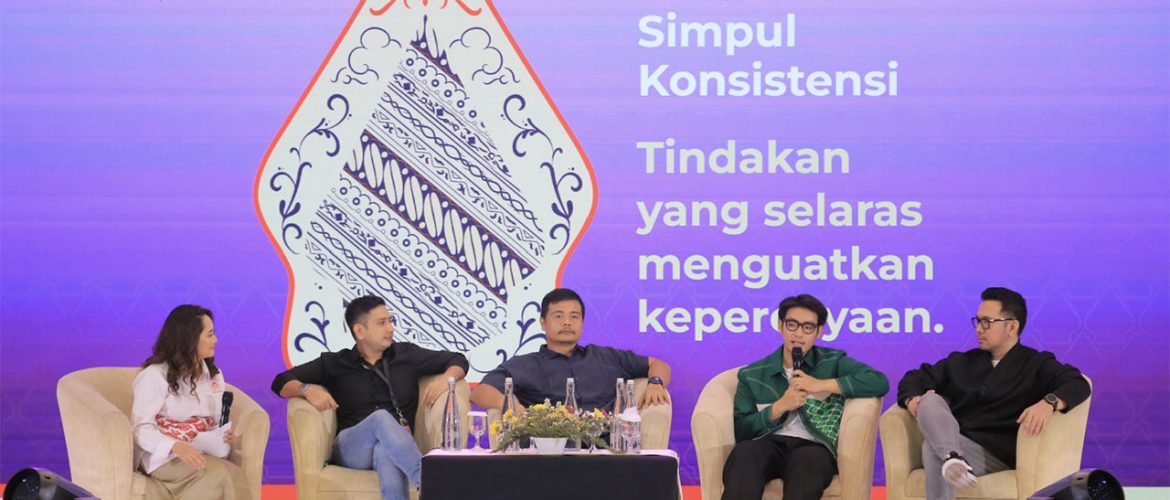
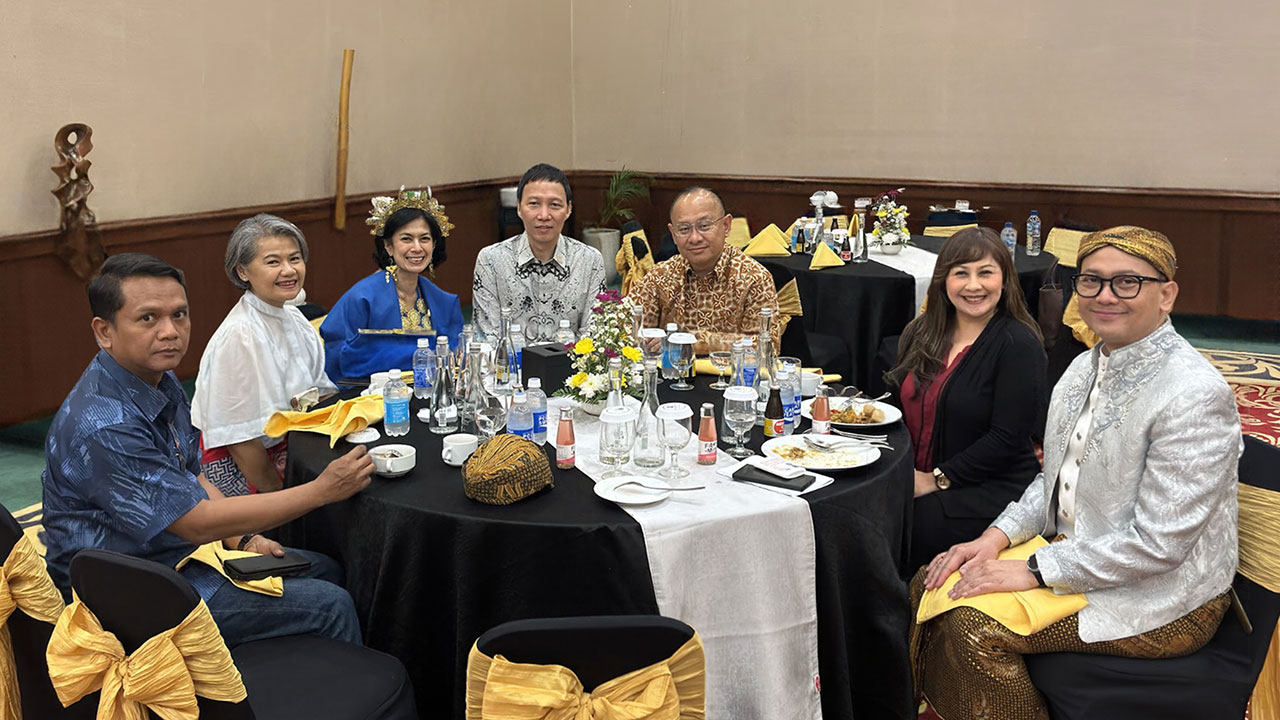
Cross-industry discussions and networking to foster a sustainable and trusted communications profession.
As the profession evolves, young PR professionals must prepare to take on leadership roles by combining professionalism with the ability to adapt. Technological proficiency and creativity must go hand in hand with integrity, empathy, and an understanding of stakeholder needs. In this way, communication goes beyond image-building to become an integral part of an organization’s efforts to foster long-term relationships and safeguard its reputation.
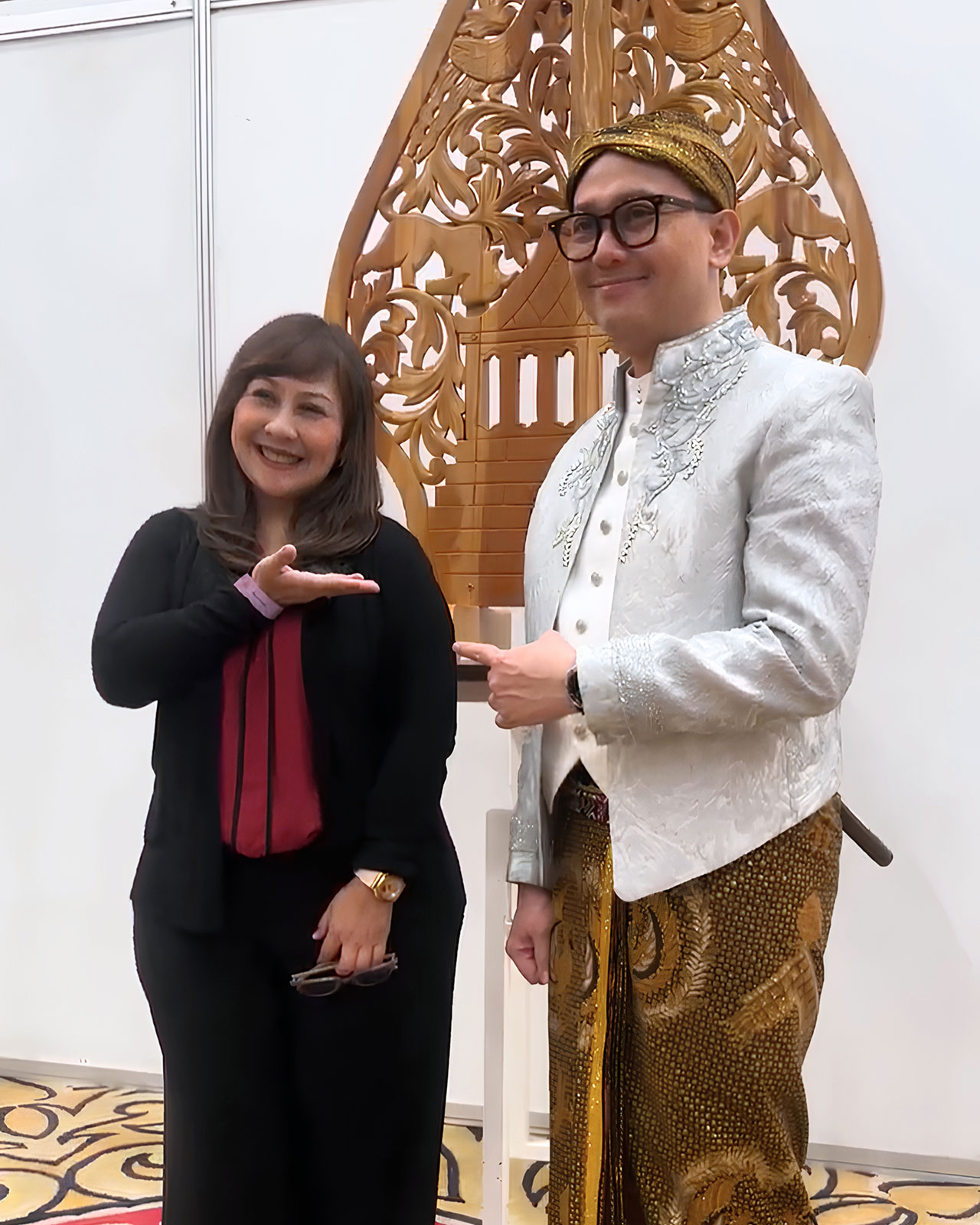
Elvera N. Makki, Founder & CEO of VMCS Communications and Social Impact (left) and Boy Kelana Soebroto, Chair of PERHUMAS (right).
Through the spirit of KHI 2026 and PEMUDA 2026, VMCS recognizes the importance of intergenerational collaboration in strengthening Indonesia’s communications ecosystem to be professional, adaptive, and grounded in integrity. “To achieve this, professional ethics education must be strengthened, supported by mentorship from senior practitioners and the practical application of codes of ethics through case studies, ethical dilemma simulations, and consistent evaluations of professional conduct. This ensures that ethics and integrity go beyond normative knowledge and become principles that guide every decision and everyday communication practice,” Elvera concluded.